


Barista tools for beginners: what do you really need?
-
Adjusting espresso with a medium blend from Brazil and Ethiopia
Regular price From €9,95Regular price -
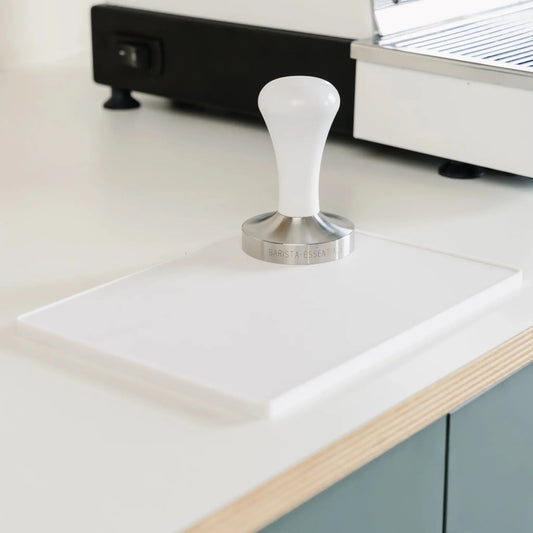
Flat silicone mat for a fixed tamping spot
Regular price €13,95Regular price -
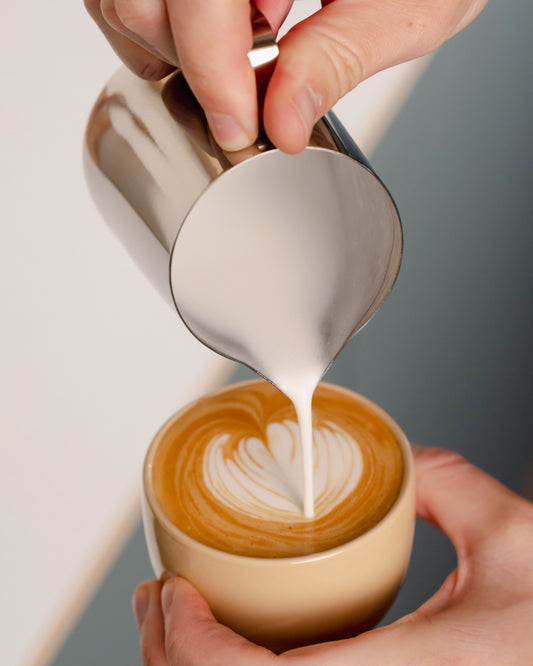
350 ml Stainless Steel Milk Pitcher: For Smaller Milk Portions | Barista Essentials
Regular price €21,95Regular price -
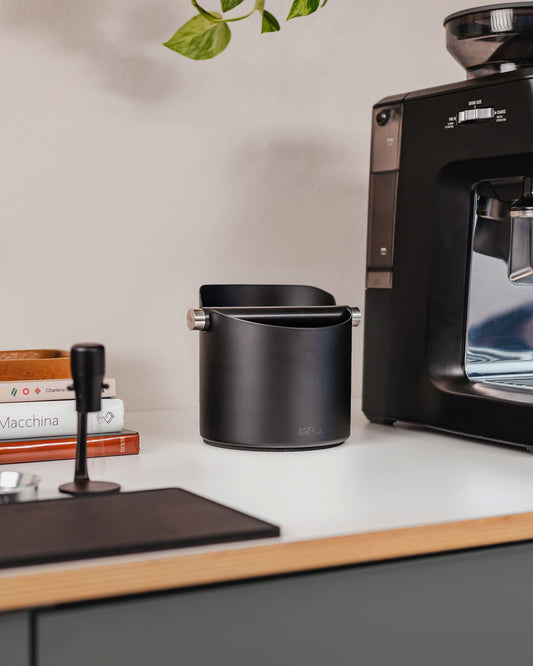
Black 14 cm Knock Box: More Room for Your Coffee Routine | Barista Essentials
Regular price €39,95Regular price -
Bundle: From Beginner to Conscious Home Barista
Regular price €16,50Regular price€19,80Sale price €16,50Sale -
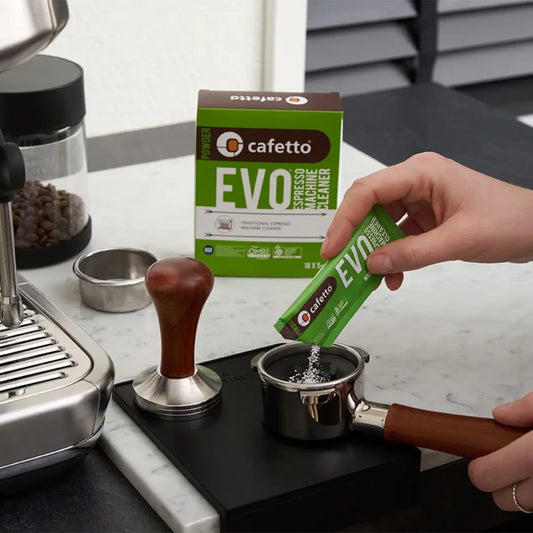
Cafetto EVO group head cleaner 12 × 5 g – remove coffee oils
Regular price €12,95Regular price -
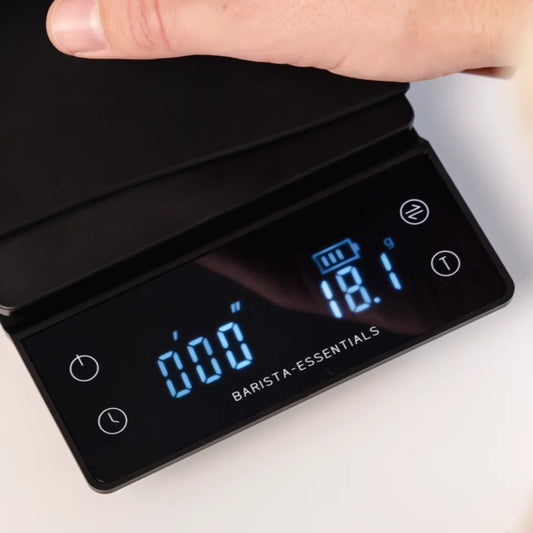
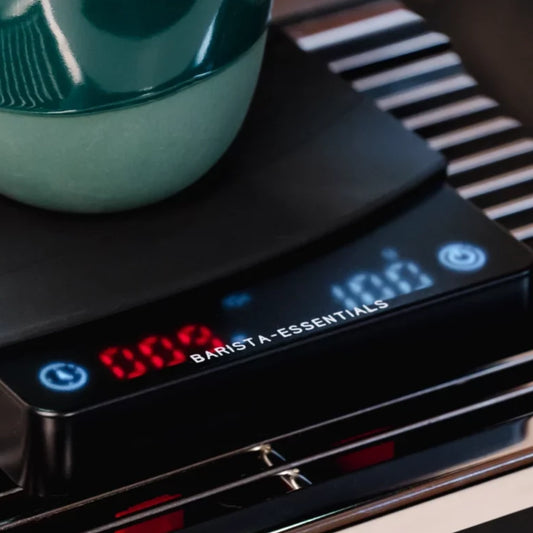
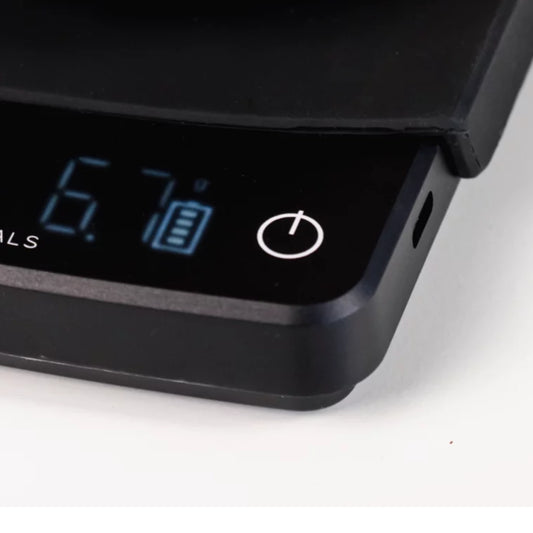
Coffee Scale with Timer | Barista Essentials
Regular price €29,95Regular price -
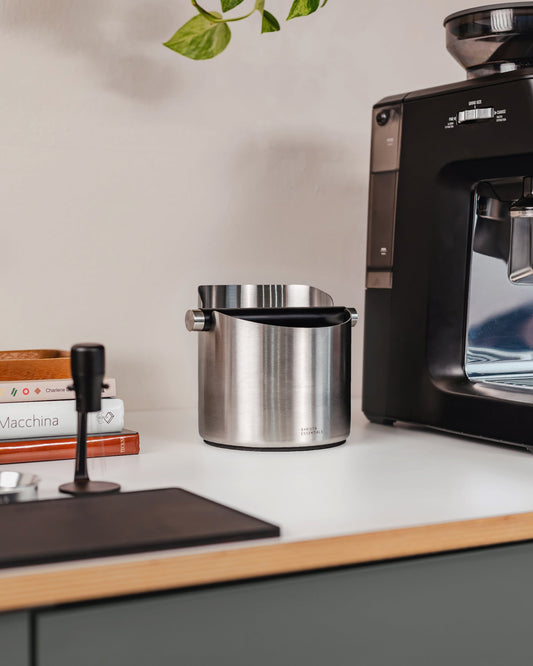
Collect used espresso pucks: silver 11 cm knock box
Regular price €34,95Regular price -
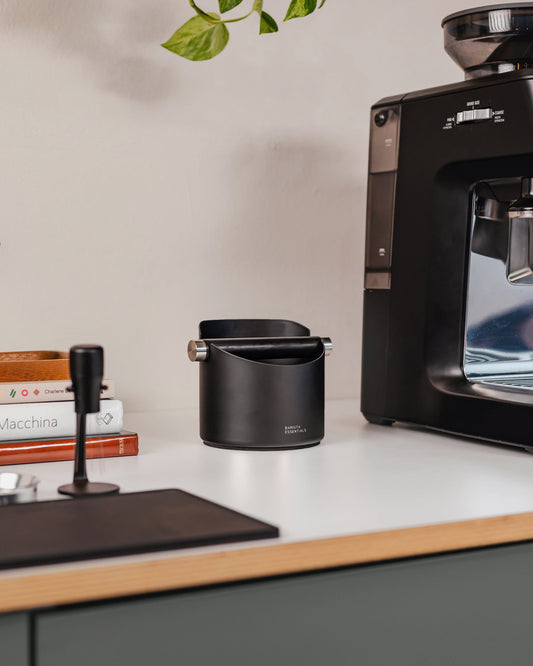
Dispose of used coffee grounds: black 11 cm knock box
Regular price €34,95Regular price -
Silver 14 cm Knock Box: More Room for Your Coffee Routine | Barista Essentials
Regular price €39,95Regular price -
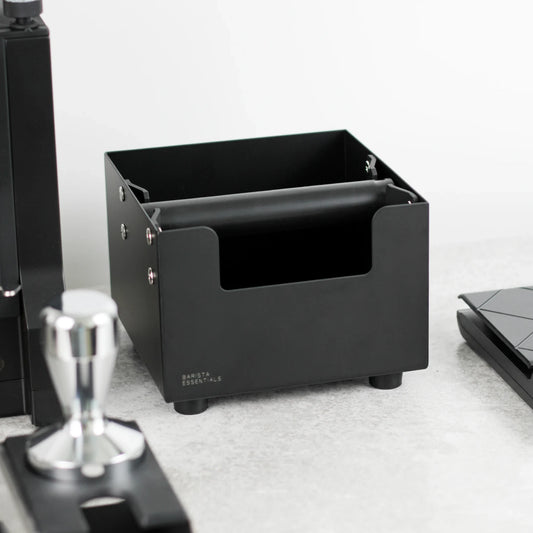
Matte Black Square Knock Box: A Dedicated Cleanup Spot | Barista Essentials
Regular price €49,95Regular price -
500 ml Stainless Steel Milk Pitcher: More Room for Your Milk Routine | Barista Essentials
Regular price €22,95Regular price -
750 ml Stainless Steel Milk Pitcher: Choose Larger Milk Portions Mindfully | Barista Essentials
Regular price €27,95Regular price -
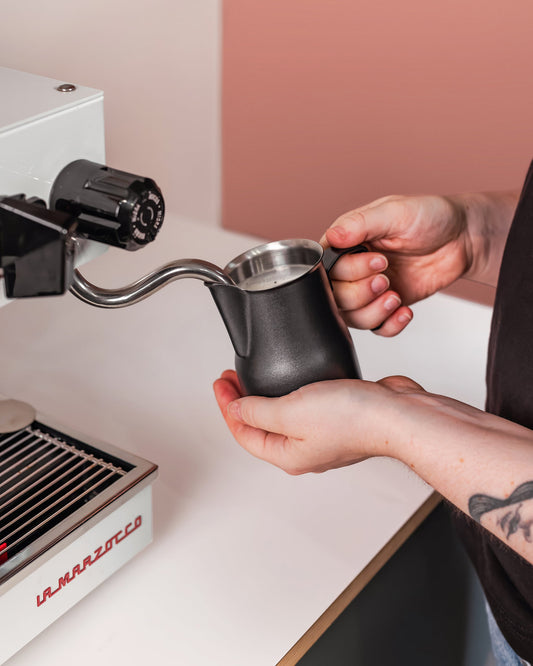
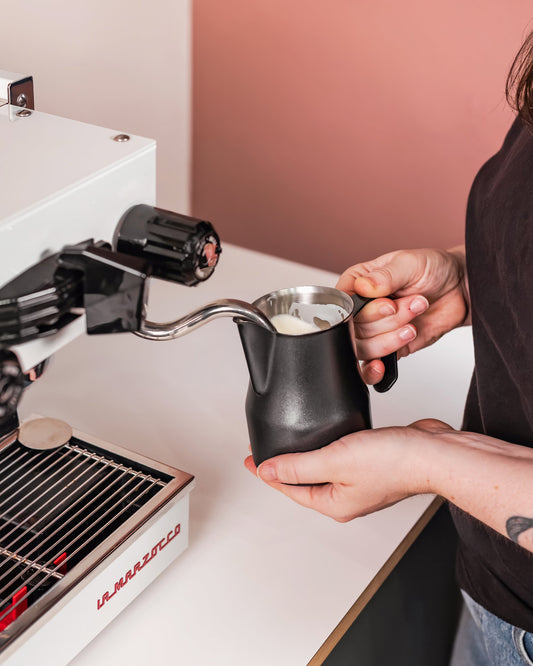
Black Italian milk jug 350 ml — froth smaller milk portions
Regular price €21,95Regular price -
Black Italian milk jug 500 ml — more room for a larger portion of milk
Regular price €22,95Regular price -
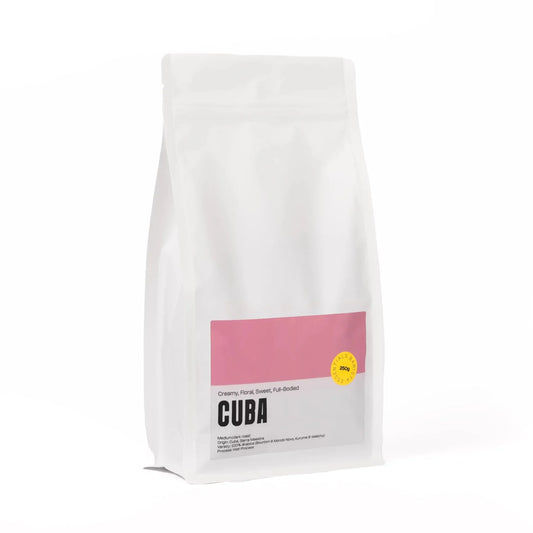
Choose Cuba coffee beans for your regular milk-based drink
Regular price From €9,95Regular price -
Guatemala coffee beans: learn to judge freshness in espresso
Regular price From €9,95Regular price -
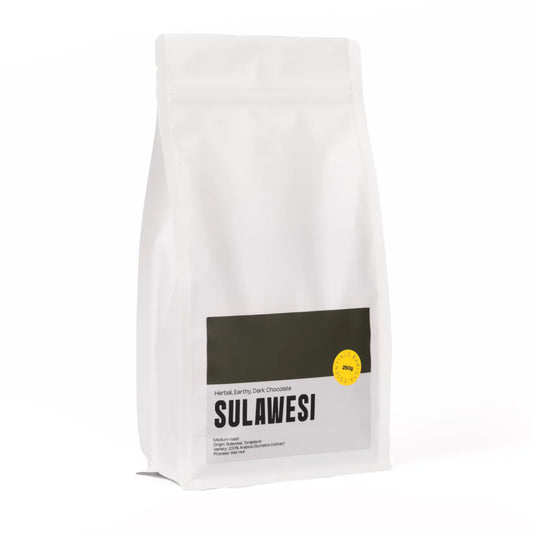
Sulawesi coffee beans: compare medium roast in your cup
Regular price From €9,95Regular price -
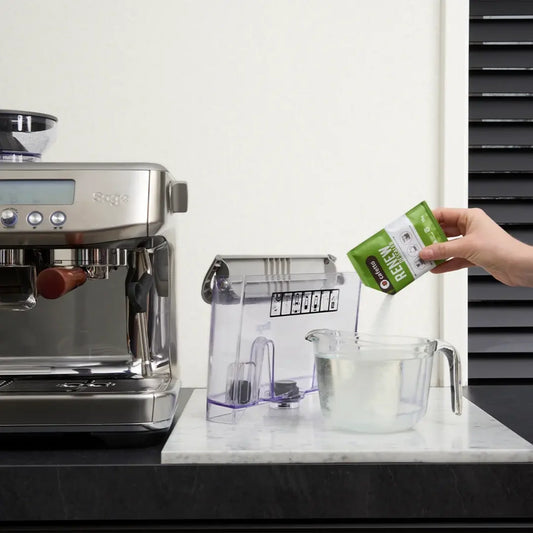
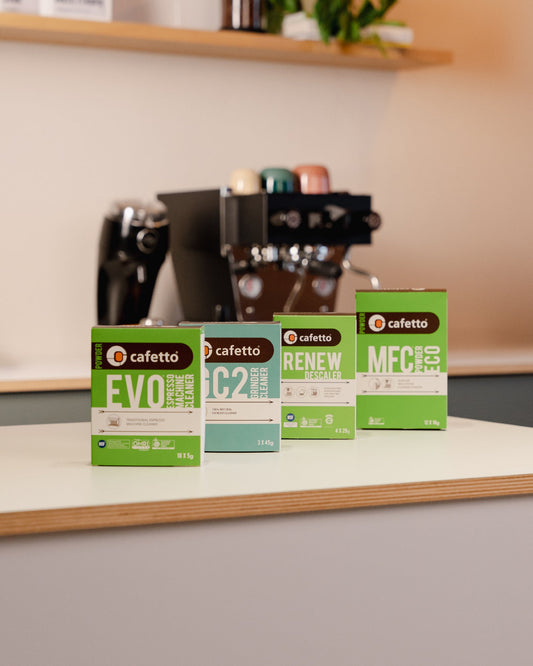
Tackle limescale with four sachets of Cafetto Renew
Regular price €9,95Regular price -
Clean your coffee grinder with three sachets of Cafetto Grinder Clean
Regular price €12,95Regular price -
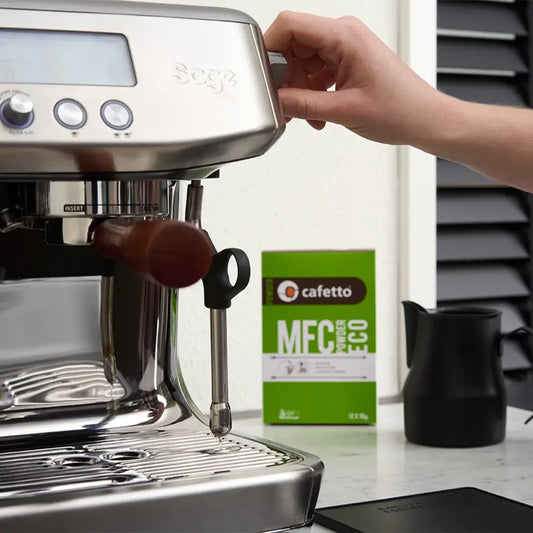
Soak away milk residue with twelve sachets of Cafetto MFC Powder Eco
Regular price €15,95Regular price -
Mini Coffee Scale: Weigh Espresso in Limited Space | Barista Essentials
Regular price €44,95Regular price -
Compare espresso shots with a scale that starts the timer automatically
Regular price €44,95Regular price -
White tamping mat: a tidy base for your coffee corner | Barista Essentials
Regular price €13,95Regular price -
Small black corner tamping mat – for a compact coffee station
Regular price €13,95Regular price -
Small white corner tamping mat – for a compact coffee station
Regular price €13,95Regular price -
Large black corner tamping mat – room for your coffee routine
Regular price €16,95Regular price -
Large white corner tamping mat – room for your coffee routine
Regular price €16,95Regular price -
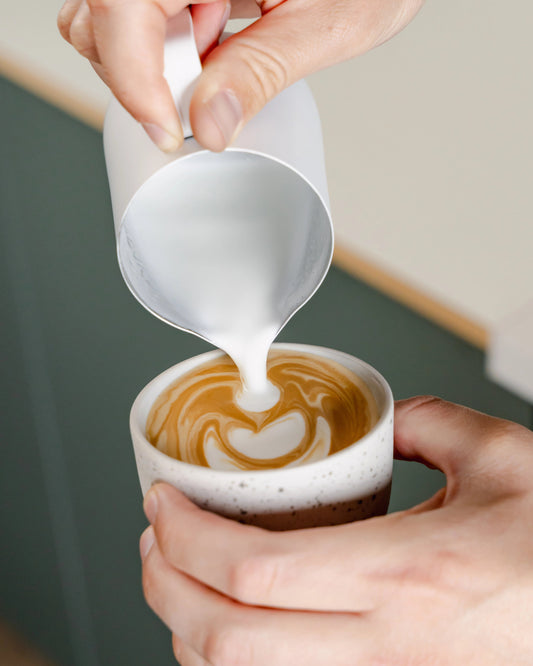
Choose and pour a serving of milk: black 350 ml milk jug
Regular price €18,95Regular price -
Choose and serve a portion of milk: 350 ml silver milk jug
Regular price €18,95Regular price -
Choose and pour the right amount of milk: 350 ml white milk jug
Regular price €18,95Regular price -
Choose and pour a serving of milk: black 550 ml milk jug
Regular price €19,95Regular price -
Choose and serve a portion of milk: 550 ml silver milk jug
Regular price €19,95Regular price -
Choose and pour the right amount of milk: white 550 ml milk jug
Regular price €19,95Regular price -
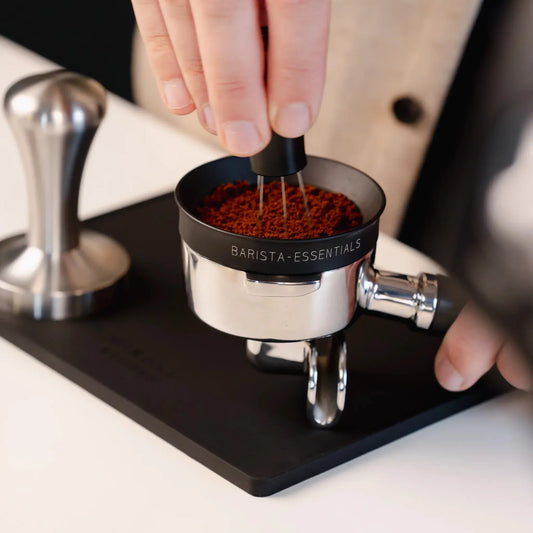
White WDT tool with holder – break up clumps before tamping
Regular price €34,95Regular price -
White WDT tool without holder – break up clumps before tamping
Regular price €24,95Regular price


































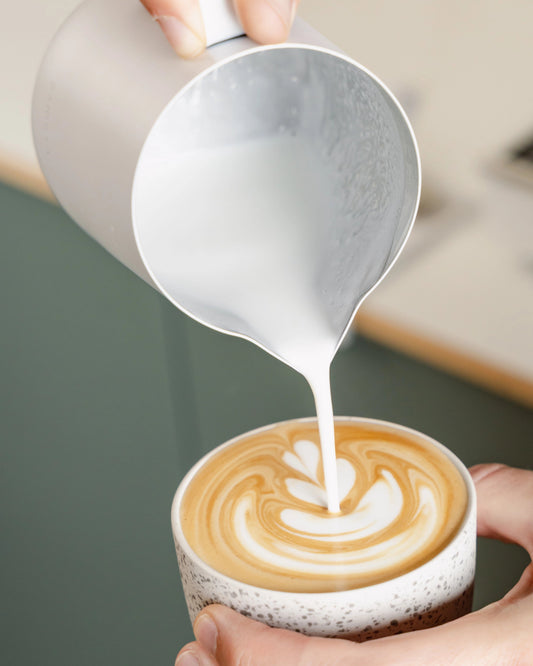

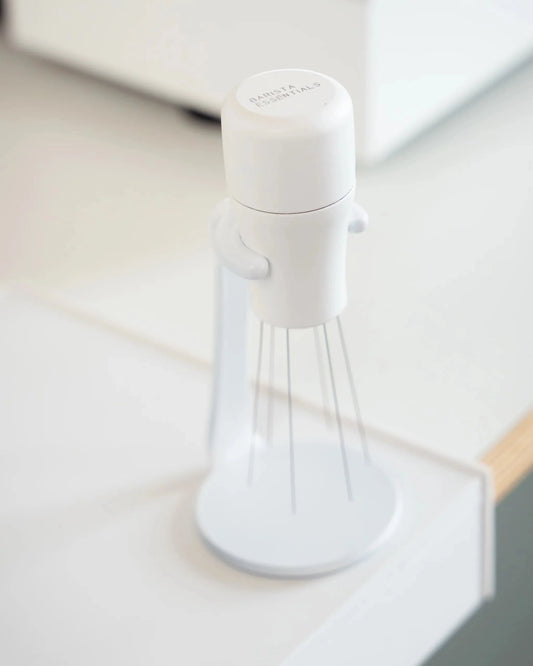

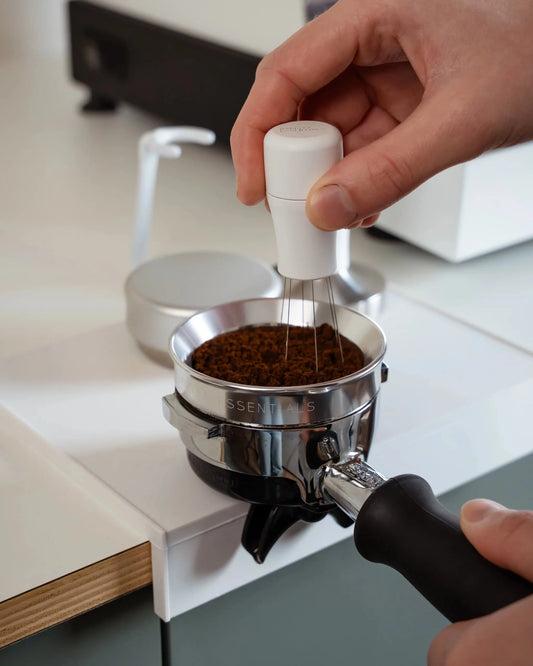
Shop from a task, not from a long list
Others also view
-

Espresso coffee scale: choose timer and size
Do you want to weigh your espresso with a timer that you...
-

Choose a stainless steel milk jug: 350, 500 or 750 ml
Choose your milk jug based on the amount you want to froth:...
-

Cleaning an espresso machine: choose the right product
What do you want to clean: coffee oils, milk residue, limescale, or...


Collection: Barista tools for beginners: what do you really need?
Which tools are you missing for your new espresso machine? My advice: start with a scale and a properly fitting tamper. For WDT, I recommend a tool with a holder, plus a properly fitting dosing ring if you don't have one yet. Only choose milk tools if you froth milk. View the basic options and sizes under the cards. The digital beginner bundle provides separate explanations; this is not a mandatory purchase package.
Advice from Geert-Jan de Baristaman — Specialty Coffee Trainer & Barista Coach (10+ years of experience).
