Why Fresh Coffee Beans Make Your Espresso Better Or Worse At Home
If your coffee beans are too old, you'll often keep adjusting your grind without your espresso actually improving.
-
Written by Geert-Jan the Baristaman β
Specialty Coffee Trainer & Barista Coach (10+ years experience)
Your espresso doesn't start with your machine
If you've just bought an espresso machine, you quickly focus on the machine, the grinder, or your technique. I understand that. You adjust your grind, try a different extraction time, and hope the next espresso will be better. But in my workshops, I often see that the problem starts even earlier: with the coffee beans.
Fresh coffee beans aren't just βtastier.β They make your espresso more predictable. You get more aroma, more vibrancy, often a more beautiful crema, and most importantly: more control over what happens. If your beans are too old or stored incorrectly, you can keep fiddling with your grinder, but you'll always be chasing your tail.
The basics are often skipped
Many home baristas want to learn how to dial in immediately. Understandably, as that often seems to be the main challenge. However, good espresso starts with asking yourself whether your coffee still has enough flavor and vibrancy.
Why Fresh Coffee Beans Make Such a Difference for Espresso
Look beyond the front of the bag
Beautiful packaging says little if you don't know when the coffee was roasted. The roast date gives you much more information than a general best-before date.
Why the roast date is more important than the expiration date
With coffee beans, you don't just want to know how long they are "good until." More importantly, you want to know when they were roasted. An expiration date can be months or years in the future, but that says little about how vibrant the coffee still is for espresso.
For espresso, coffee usually works best when the beans are no longer extremely fresh, but certainly not old. Immediately after roasting, coffee can still contain a lot of gas. After a short resting period, the coffee often becomes more stable. After that, the quality slowly declines. As a guideline, I would become critical once coffee approaches two months after roasting, especially if you want to make espresso.
Do you not see a roast date on the packaging at all? Then you actually don't know what you're working with. That makes adjustment more difficult. You can adjust your grind size, dosage, and extraction time, but you don't know if the coffee itself still has enough power to produce a beautiful espresso.
You taste freshness faster than you think
You can recognise old coffee not only by its reduced aroma. You also often notice it by inconsistent extraction, thin crema, and an espresso that is difficult to balance.
How old coffee beans make your espresso flat or inconsistent
As coffee beans age, the way they react during grinding and brewing changes. Your espresso might extract faster, taste thinner, or become strangely bitter when you try to compensate. This can make it seem like your machine is unreliable, even though the input isn't consistent.
This is precisely why home baristas sometimes get frustrated. One day the espresso tastes decent, a few days later you get hardly any crema or the coffee lacks body. Then the grinder is adjusted, the dose changed, and another attempt is made. Sometimes that helps for a bit, but without fresh beans, it remains a struggle.
My advice is simple: solve the basics first. Work with coffee whose roast date you know. Use beans suitable for espresso. And don't change five things at once. Only when your coffee is fresh and reliable does it truly make sense to look more closely at grind size, ratio, and extraction time.
Buying fresh is step one, proper storage is step two
In addition to our unique expertise in the field of circular economy, we are also experienced in the field of recycling of various materials and components, for example within our own waste sorting installation. For example, we separate and recycle materials such as paper, cardboard, plastics, metals and textiles.
How do you store coffee beans to keep them fresh longer?
Store coffee beans in a dry, dark, and stable place. Not next to a warm appliance, not in the sun, and preferably not in an open bag that constantly lets in air. Every time oxygen enters, the coffee deteriorates faster.
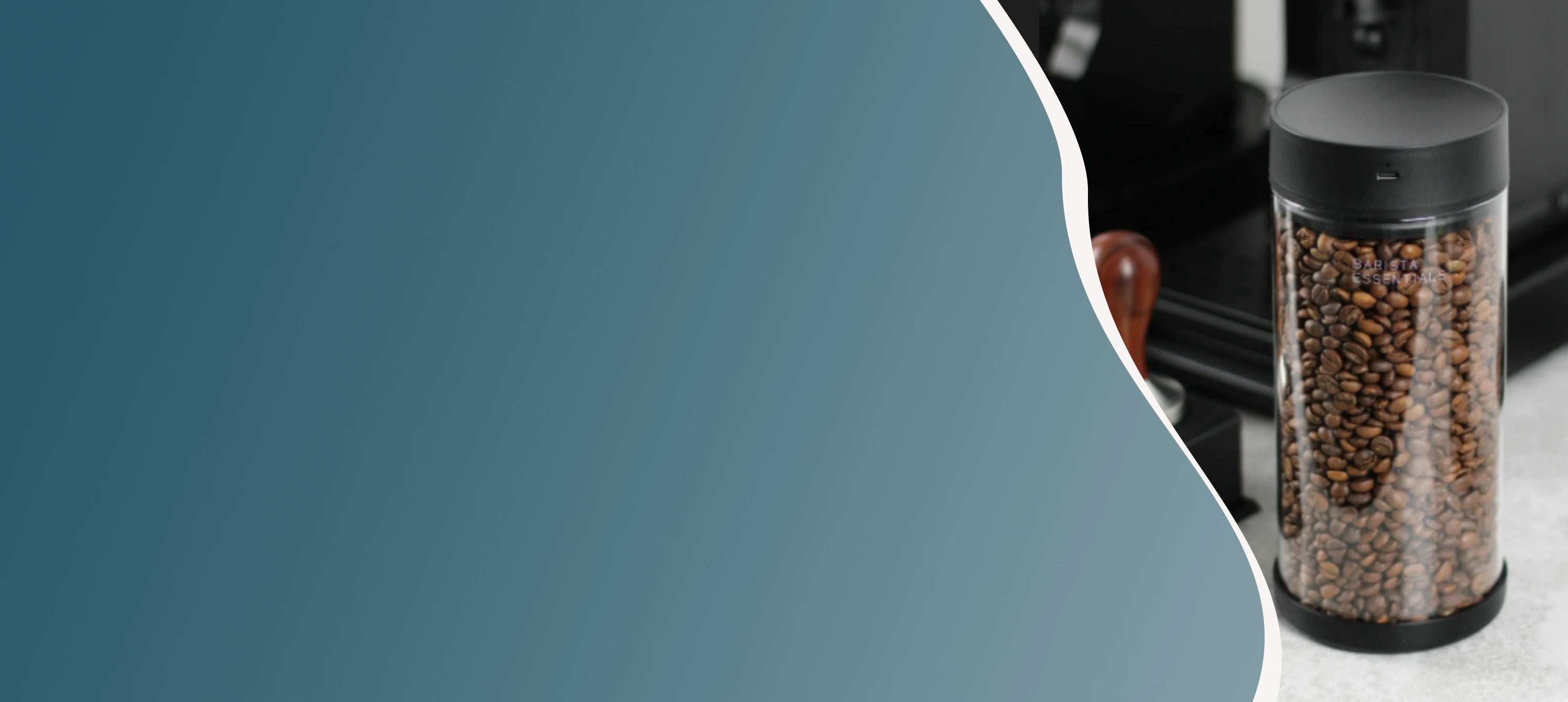
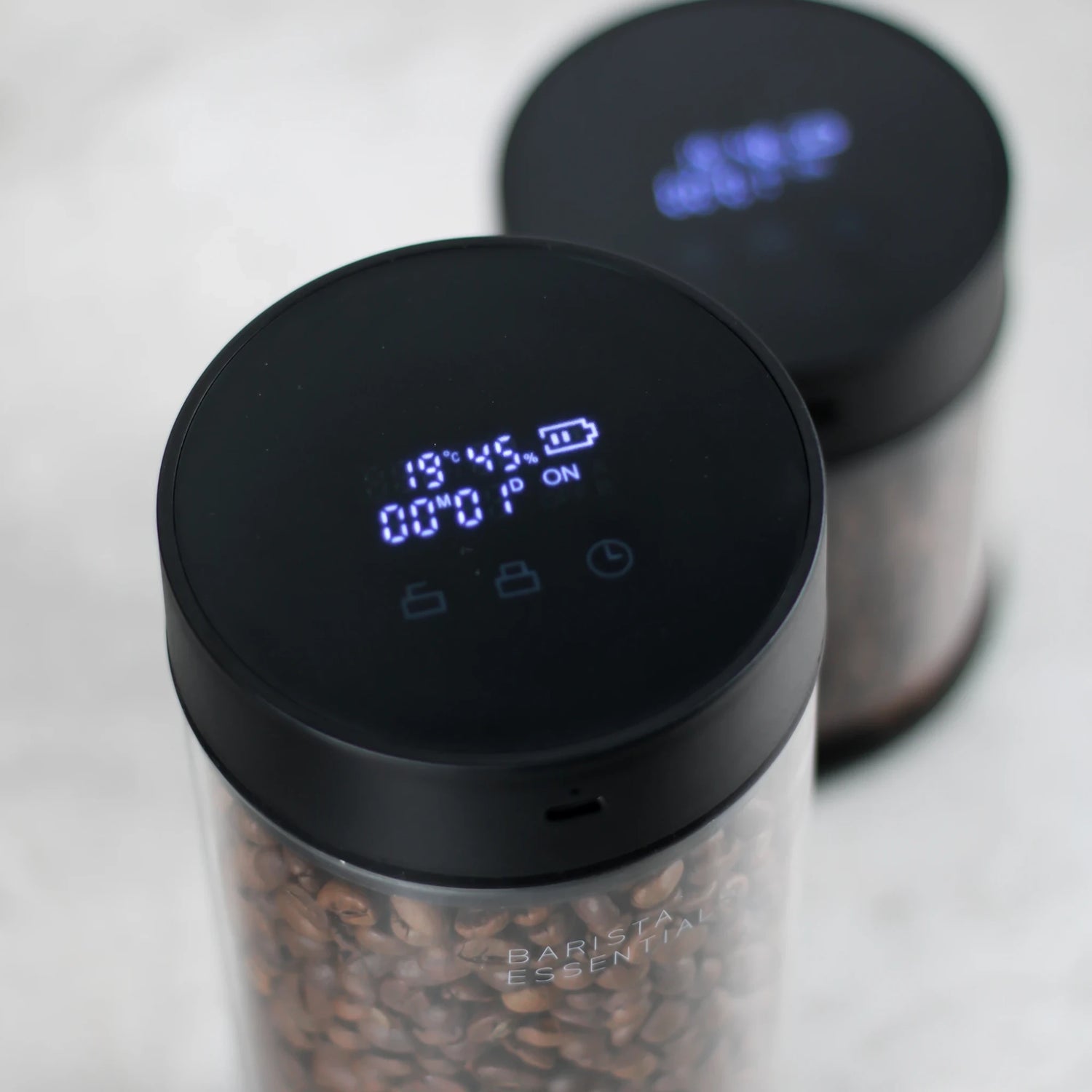
A good airtight container already helps a lot. A vacuum storage container goes a step further, as it reduces the amount of air around the beans. This is especially useful if you work with one or two bags of coffee at home and don't finish everything within a few days.
Store your beans whole and only grind them just before making espresso. Ground coffee loses aroma much faster. That's also why a good coffee grinder is so important for home espresso. Buying fresh beans and then storing them pre-ground is like buying a good loaf of bread and then leaving it uncovered on the counter.
From Loose Tips to More Control
Our goal is to make a positive social impact in the local communities where our products are manufactured, and to reduce their environmental impact.
When fresh coffee beans aren't enough
Fresh coffee beans make a big difference, but they don't automatically solve everything. If your grind, dose, and extraction time are all over the place, espresso will remain tricky. In addition to good coffee, you also need a consistent method.
That's why I created Espresso Under Control. Not as a complicated coffee course, but as practical help for home baristas who want to understand why their espresso is sometimes good and sometimes not at all. The module on roast date and freshness fits in very logically here, because you learn why coffee starts to behave differently after roasting.
Are you really struggling at home with your own machine, grinder, and beans? Then a private barista workshop at home or a workshop in Amsterdam is often the quickest route. We then don't look at a standard theoretical picture, but at your setup, your coffee, and your way of working.
Frequently Asked Questions About Fresh Coffee Beans
Why are fresh coffee beans important for espresso?
Fresh coffee beans contain more aroma, vibrancy, and flavor compounds than old beans. This often results in a fuller espresso, more crema, and an extraction that is easier to adjust.
How do I know if coffee beans are still fresh?
Why does my espresso taste flat despite having a good espresso machine?
What's the best way to store coffee beans?
Store coffee beans airtight, dark, dry, and at a stable temperature. A vacuum storage container helps reduce air around the beans and preserve the flavor longer.
Should I buy coffee beans or ground coffee for espresso?
I have another question.
Better espresso at home starts with fresh coffee beans
If your homemade espresso is flat, inconsistent, or difficult to dial in, don't just look at your machine or grinder. Start with your coffee beans. Fresh beans with a clear roast date will give you more flavor, more aroma, and more control during brewing.
After that, it becomes easier to get to know your espresso machine. You'll better taste what's happening, your adjustments will become more logical, and your coffee will be less dependent on chance. That's precisely what De Barista Shop is for: helping you make better coffee, step by step, with practical explanations, good tools, and guidance from real barista experience.
Do you want to better understand why roast date, freshness, and storage have such a big impact on your espresso? Then the "Roast date and freshness" module is the logical next step.
Classic Espresso Blend
Tips for that delicious cappuccino or black coffee that isn't too sour or too bitter:
- At least 2 countries in one package
- Medium or Dark Roast
- Freshly roasted within a maximum of two months
- Set grinder finer rather than coarser
β Discover more related articles
View all-
β Espresso inconsistent at home? A lesson from ...
Many home baristas get confused by random coffee tips on YouTube and Instagram. This barista workshop in Lierop shows why espresso often improves when you first go back to bean...
β Espresso inconsistent at home? A lesson from ...
Many home baristas get confused by random coffee tips on YouTube and Instagram. This barista workshop in Lierop shows why espresso often improves when you first go back to bean...
-
β Making cappuccino, latte or flat white at hom...
Do you want to make cappuccino, latte or flat white at home? In this blog, I explain how to balance milk, espresso and flavor.
β Making cappuccino, latte or flat white at hom...
Do you want to make cappuccino, latte or flat white at home? In this blog, I explain how to balance milk, espresso and flavor.
-
β Learning to make professional coffee at home:...
Want to learn how to make professional coffee at home, but don't know where to start? I'll show you the steps that really make a difference for better espresso and...
β Learning to make professional coffee at home:...
Want to learn how to make professional coffee at home, but don't know where to start? I'll show you the steps that really make a difference for better espresso and...