
The statement you often hear

โ€œAn Arabica blend is best for espresso.โ€

It's a statement you encounter regularlyโ€”in coffee shops, online forums, and during workshops. But is it actually true? Or is the answer more nuanced than often thought?

The short answer: no, not necessarily .
You can read the longer answer below.

Specialty koffiebonen blend uit Braziliรซ en Ethiopiรซ van Barista Essentials, geschikt voor thuisbaristaโ€™s.

Arabica and Robusta: what's the real difference?

When discussing espresso, Arabica is often considered "the better bean." This perception is understandable, but incomplete. Both bean varieties have their own characteristics and uses.

Shop coffee beans

Arabica and Robusta

Arabica

  • About 1.5% caffeine
  • Milder, softer taste
  • More natural sugars
  • Clear flavour profiles with recognisable aromas and notes
  • Generally less bitterness and sharpness

Arabicas are ideal for coffees where complexity, balance and nuance are important.

Robusta

  • About 3% caffeine
  • Powerful, intense flavour
  • Less sugar
  • More earthy, smoky and bitter notes
  • Provides extra body and a thicker crema

Robusta is often wrongly dismissed as โ€œinferior coffeeโ€, while it can actually be functional โ€” especially with espresso.

Moderne en stijlvolle koffievoorraadpot, ideaal voor thuisbaristaโ€™s en koffieliefhebbers.

Why โ€œbest for espressoโ€ is mostly about roasting

What many people forget is that espresso is not just about the bean type, but especially about the roast .

Different brandings

Light roast

  • Short surf
  • Much preservation of original flavors
  • Few oils and fats
  • More acids, less body
    โžก๏ธ Suitable for pour-over, filter and cold brew

Medium roast

  • Medium-length surf
  • Balance between flavor notes and fats
  • Broad applicability
    โžก๏ธ Suitable for both filter coffee and espresso

Dark roast

  • Longer branding
  • Less original notes
  • More oils and fats
  • Thicker mouthfeel, more powerful extraction
    โžก๏ธ Ideal for espresso machines

For espresso, fats, solubility, and extraction behavior are crucial โ€” and these are largely determined by the roast.

Verse koffiebonen worden afgewogen op een digitale Barista Essentials weegschaal voor het zetten van filterkoffie met de juiste verhouding.

Why espresso blends work so well

Many espresso coffees aren't single-origin, but blends . This is no coincidence.

An espresso blend:

  • Combines coffee from several countries
  • Designed for consistency
  • Provides a balance between sweet, bitter, body and crema
  • Can combine Arabicas with a small amount of Robusta

Especially with dark roasts, this ensures a stable, full and accessible espresso profile.

Twee roze porseleinen espressokopjes (60โ€ฏml) vullen zich met espresso onder een stoompijpje-machine van Sage of Deโ€™Longhi. Ontworpen voor thuisbaristaโ€™s die het beste uit hun cremalaag willen halen, in stijlvol en stevig roze porselein.

So what's the best choice? It depends on your goal.

Recommendation for espresso machines

  • Espresso blend
  • Medium to dark roast
  • Possibly with a small percentage of Robusta
  • Focused on body, intensity and crema

Brewing Method Recommendation

  • Light to medium roast
  • Single origin (one country)
  • More focus on specific aromas and flavor layers
  • Less fat, more clarity
Barista Essentials 500 gram vacuรผm voorraadpot met digitale display voor luchtvochtigheid en bewaartijd.

Conclusion

An Arabica blend is not automatically the best choice for espresso.

The real quality is in:

  • The surf
  • The composition of the blend
  • The brewing method
  • And most importantly: your taste preference

Espresso isn't a fixed recipe, but a combination of choices. And that's precisely what makes coffee so interesting.

Shop vacuum storage jar

Frequently Asked Questions

Is Arabica or Robusta better for espresso?

Neither is inherently better. Arabica is known for its smooth flavor and distinct aromas, while Robusta offers more body, caffeine, and crema. For espresso, many baristas opt for an espresso blend , which combines these qualities for balance, strength, and consistency.

Why is espresso usually made with a dark roast?

In espresso, fats and solubility are important for body, crema, and extraction. A dark roast contains more oils and dissolves more evenly under high pressure, resulting in a fuller and more powerful espresso profile than light roasts.

Does my tamper really affect the taste of espresso?

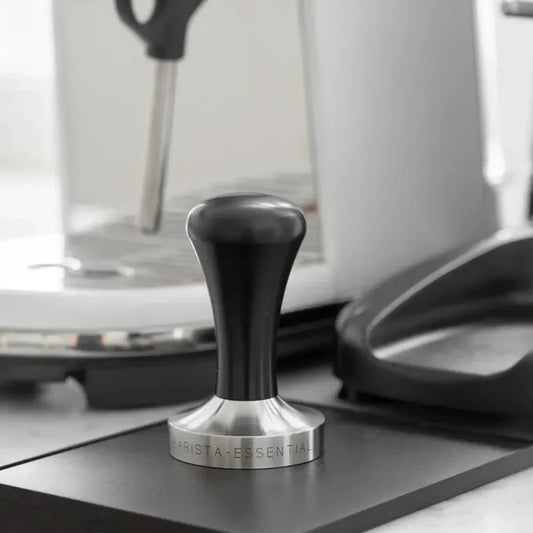
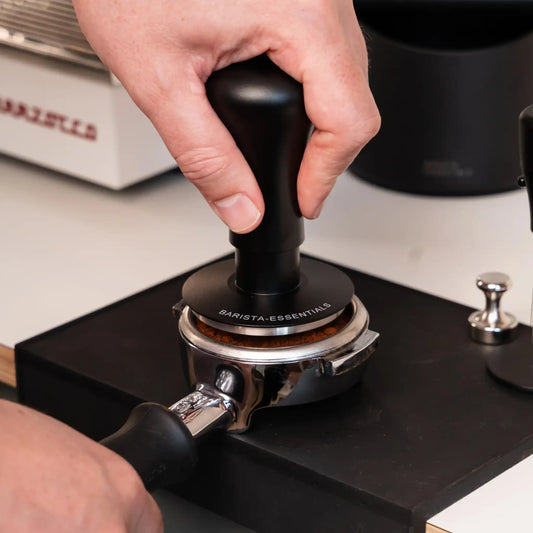
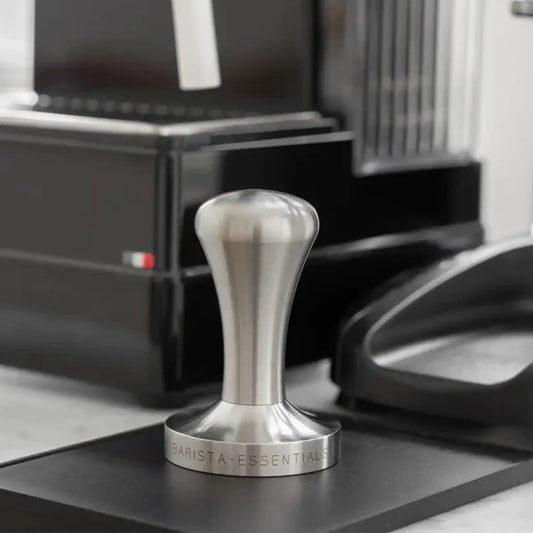
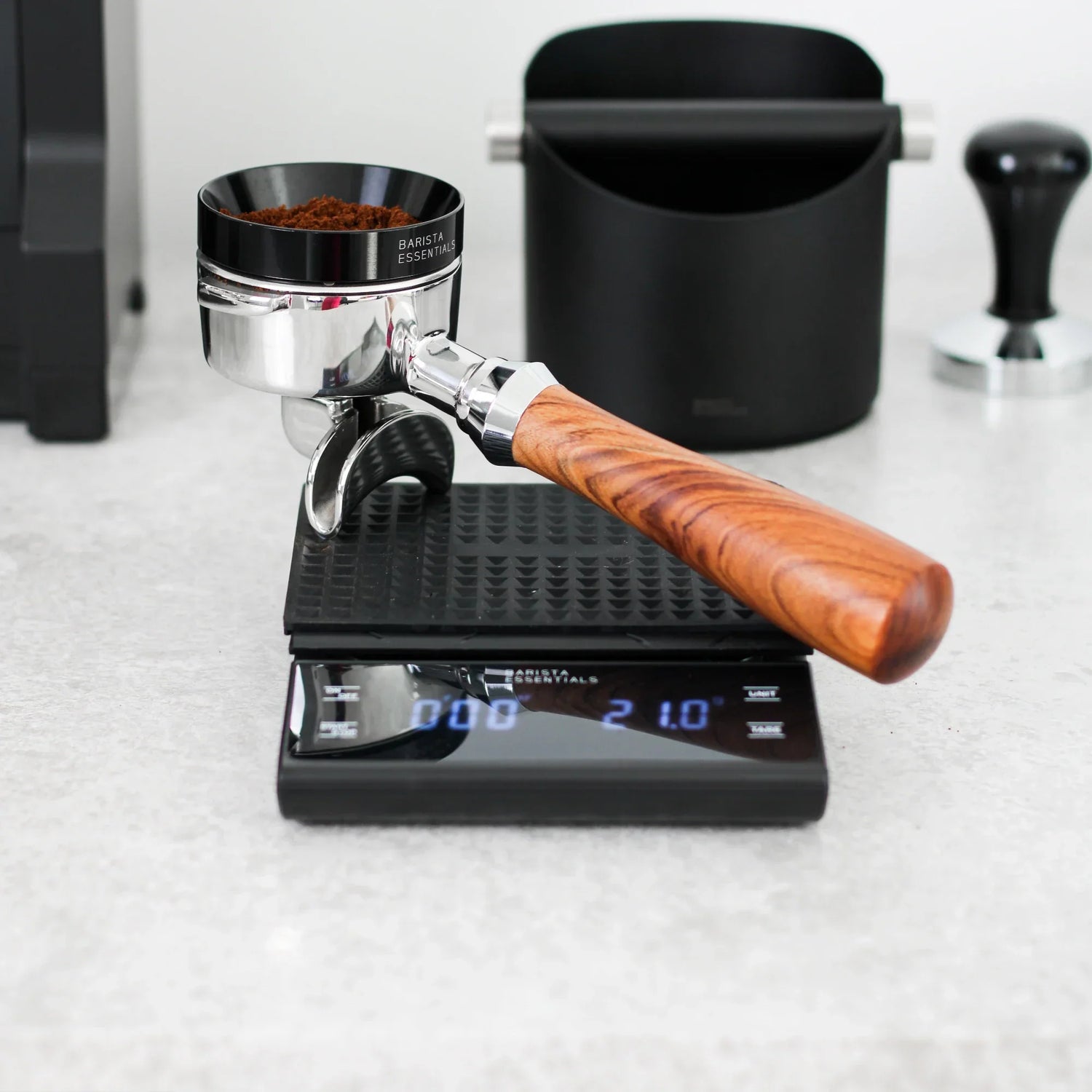
Yes. Even and consistent tamping prevents channeling and ensures a stable extraction. A good precision tamper helps make every shot reproducible, which directly affects flavor, body, and balance.

Why is a coffee scale important for espresso and filter coffee?

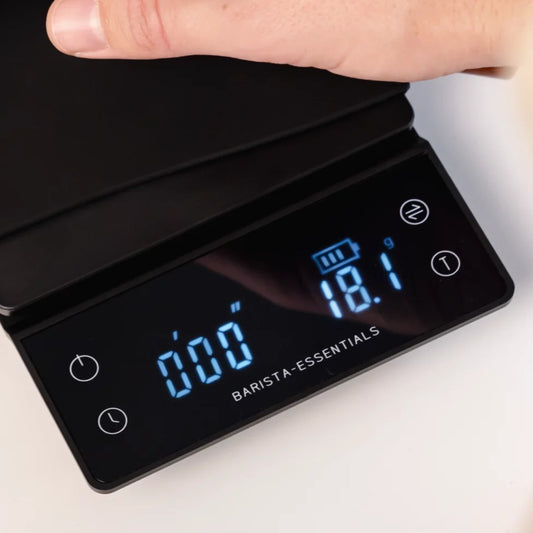
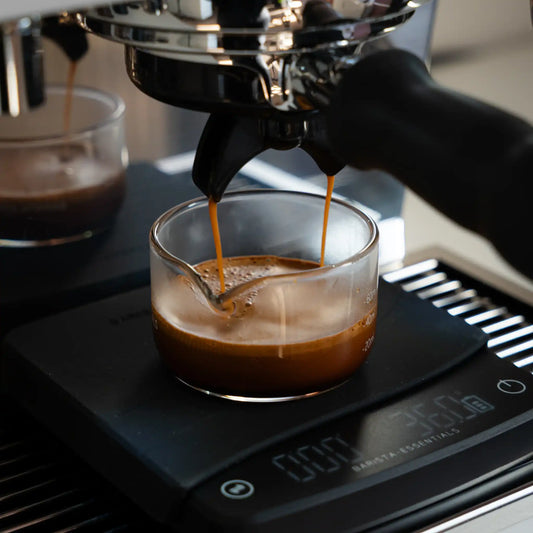
Brewing coffee is all about proportions. With a digital coffee scale, you can accurately measure dosage, yield, and brew time. This allows you to replicate recipes, compare flavors, and make informed choices between espresso and brewing methods.

Specialty koffiebonen blend uit Braziliรซ en Ethiopiรซ van Barista Essentials, geschikt voor thuisbaristaโ€™s.

Espresso Blend: Brazil - Ethiopia

This carefully crafted blend brings together the full, creamy notes of Brazilian beans with the jasmine-like freshness of Ethiopian alt-grain beans โ€“ a favourite among home baristas looking for that little bit extra.

Shop Espresso Blend
Moderne thuisbarista keuken met espressomachine, drie vers gezette espressoโ€™s met crema en koffiebonen op het aanrecht, sfeerbeeld bij blog over Arabica blend en espresso keuzes

Is an Arabica blend really the best for espresso?

The statement you often hear

โ€œAn Arabica blend is best for espresso.โ€

It's a statement you encounter regularlyโ€”in coffee shops, online forums, and during workshops. But is it actually true? Or is the answer more nuanced than often thought?

The short answer: no, not necessarily .
You can read the longer answer below.


Arabica and Robusta: what's the real difference?

When discussing espresso, Arabica is often considered "the better bean." This perception is understandable, but incomplete. Both bean varieties have their own characteristics and uses.

Arabica

  • About 1.5% caffeine
  • Milder, softer taste
  • More natural sugars
  • Clear flavour profiles with recognisable aromas and notes
  • Generally less bitterness and sharpness

Arabicas are ideal for coffees where complexity, balance and nuance are important.

Robusta

  • About 3% caffeine
  • Powerful, intense flavour
  • Less sugar
  • More earthy, smoky and bitter notes
  • Provides extra body and a thicker crema

Robusta is often wrongly dismissed as โ€œinferior coffeeโ€, while it can actually be functional โ€” especially with espresso.


Why โ€œbest for espressoโ€ is mostly about roasting

What many people forget is that espresso is not just about the bean type, but especially about the roast .

Light roast

  • Short surf
  • Much preservation of original flavors
  • Few oils and fats
  • More acids, less body
    โžก๏ธ Suitable for pour-over, filter and cold brew

Medium roast

  • Medium-length surf
  • Balance between flavor notes and fats
  • Broad applicability
    โžก๏ธ Suitable for both filter coffee and espresso

Dark roast

  • Longer branding
  • Less original notes
  • More oils and fats
  • Thicker mouthfeel, more powerful extraction
    โžก๏ธ Ideal for espresso machines

For espresso, fats, solubility, and extraction behavior are crucial โ€” and these are largely determined by the roast.


Why espresso blends work so well

Many espresso coffees aren't single-origin, but blends . This is no coincidence.

An espresso blend:

  • Combines coffee from several countries
  • Designed for consistency
  • Provides a balance between sweet, bitter, body and crema
  • Can combine Arabicas with a small amount of Robusta

Especially with dark roasts, this ensures a stable, full and accessible espresso profile.


So what's the best choice? It depends on your goal.

Recommendation for espresso machines

  • Espresso blend
  • Medium to dark roast
  • Possibly with a small percentage of Robusta
  • Focused on body, intensity and crema

Brewing Method Recommendation

  • Light to medium roast
  • Single origin (one country)
  • More focus on specific aromas and flavor layers
  • Less fat, more clarity


Conclusion

An Arabica blend is not automatically the best choice for espresso.

The real quality is in:

  • The surf
  • The composition of the blend
  • The brewing method
  • And most importantly: your taste preference

Espresso isn't a fixed recipe, but a combination of choices. And that's precisely what makes coffee so interesting.

Back to blog

Leave a comment

Please note, comments need to be approved before they are published.