


Latte Art for Beginners: Choose a Pitcher, Cup and Cleaning Tools
-
350 ml Stainless Steel Milk Pitcher: For Smaller Milk Portions | Barista Essentials
Regular price €21,95Regular price -
Black Italian milk jug 350 ml — froth smaller milk portions
Regular price €21,95Regular price -
Gray 250 ml Latte Cup: Choose Your Milk Drink Mindfully | Barista Essentials
Regular price €18,95Regular price -
Spotted 250 ml Latte Cup: Choose Your Milk Drink Mindfully | Barista Essentials
Regular price €18,95Regular price -
Terracotta Pink Latte Cup 250 ml: Choose Your Milk Drink | Barista Essentials
Regular price €18,95Regular price -
Sand Yellow 250 ml Latte Cup: Room for Your Milk Drink | Barista Essentials
Regular price €18,95Regular price -
Pine Green 250 ml Latte Cup: Room for Your Milk Drink | Barista Essentials
Regular price €18,95Regular price -
500 ml Stainless Steel Milk Pitcher: More Room for Your Milk Routine | Barista Essentials
Regular price €22,95Regular price -
750 ml Stainless Steel Milk Pitcher: Choose Larger Milk Portions Mindfully | Barista Essentials
Regular price €27,95Regular price -
Black Italian milk jug 500 ml — more room for a larger portion of milk
Regular price €22,95Regular price -
Gray 180 ml Cappuccino Cup: Choose Your Milk Drink Mindfully | Barista Essentials
Regular price €16,95Regular price -
Spotted 180 ml Cappuccino Cup: Choose Your Milk Drink Mindfully | Barista Essentials
Regular price €16,95Regular price -
Serve a small milk drink in a pine-green 180 ml cup
Regular price €16,95Regular price -
Terracotta Pink Cappuccino Cup 180 ml: Choose Your Milk Drink | Barista Essentials
Regular price €16,95Regular price -
Sand Yellow Cappuccino Cup 180 ml: Choose Your Milk Drink with Care | Barista Essentials
Regular price €16,95Regular price -
Choose and pour a serving of milk: black 350 ml milk jug
Regular price €18,95Regular price -
Choose and serve a portion of milk: 350 ml silver milk jug
Regular price €18,95Regular price -
Choose and pour the right amount of milk: 350 ml white milk jug
Regular price €18,95Regular price -
Choose and pour a serving of milk: black 550 ml milk jug
Regular price €19,95Regular price -
Choose and serve a portion of milk: 550 ml silver milk jug
Regular price €19,95Regular price -
Choose and pour the right amount of milk: white 550 ml milk jug
Regular price €19,95Regular price -
Italian silver milk jug set – 350 and 500 ml for your pouring rhythm
Regular price €42,95Regular price -
Italian milk jug set black – 350 and 500 ml for your pouring rhythm
Regular price €42,95Regular price -
Six coffee cloths for separate cleaning tasks
Regular price €24,95Regular price€26,85Sale price €24,95Sale -
Soak away milk residue with twelve sachets of Cafetto MFC Powder Eco
Regular price €15,95Regular price -
Wipe your portafilter with two brown microfibre cloths
Regular price €8,95Regular price -
Keep milk residue separate: two light-grey microfibre cloths
Regular price €8,95Regular price -
Wipe down your coffee station: two black microfibre cloths
Regular price €8,95Regular price

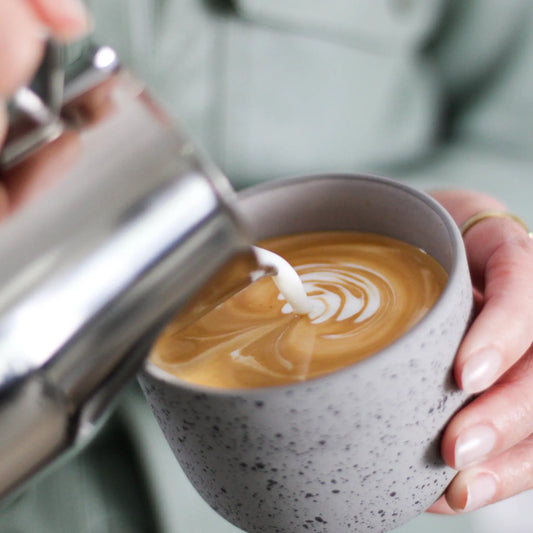

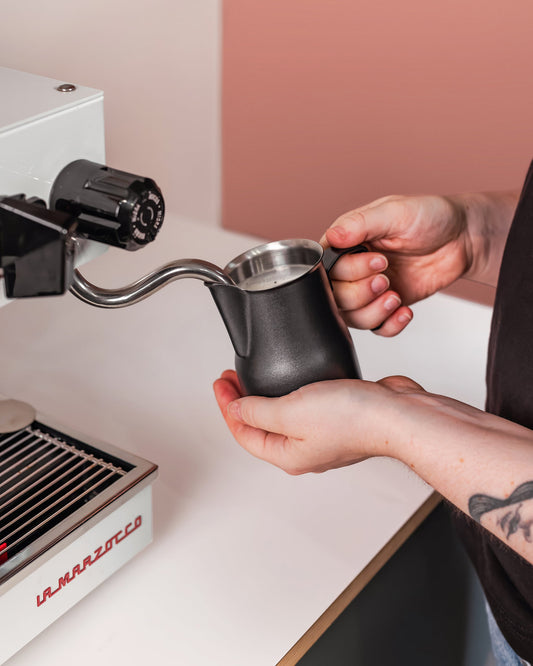

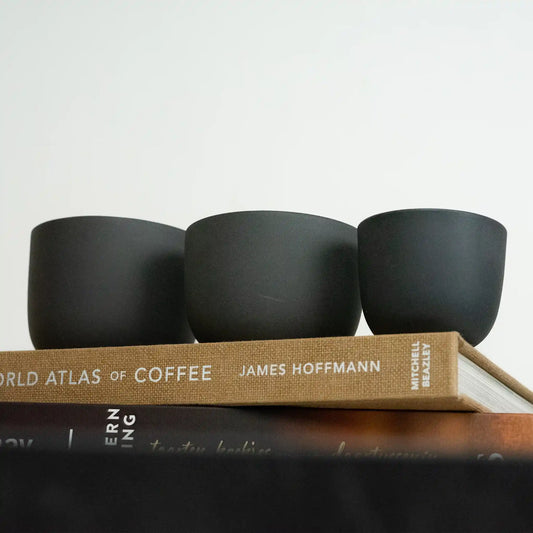

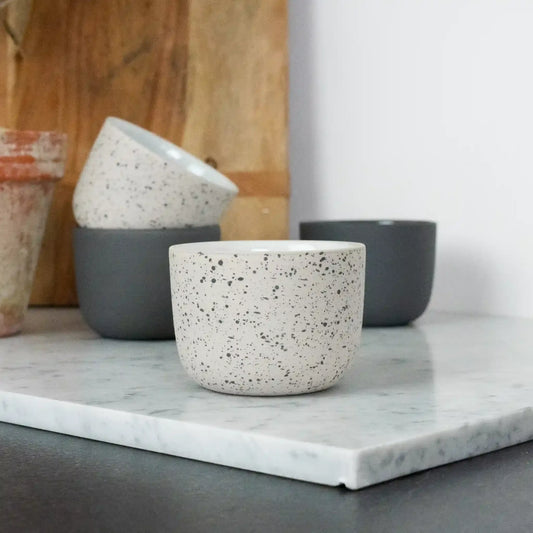

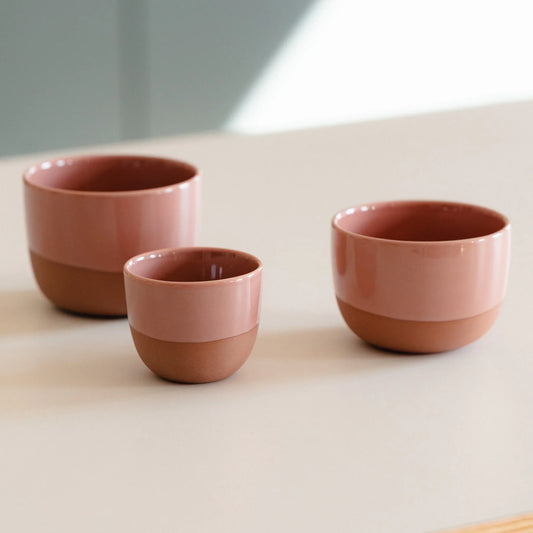

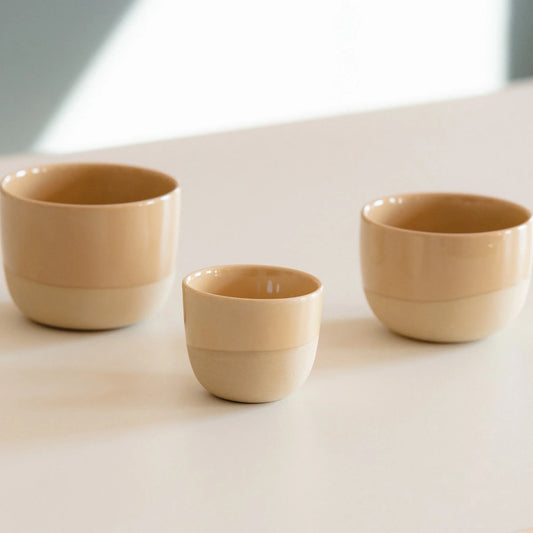

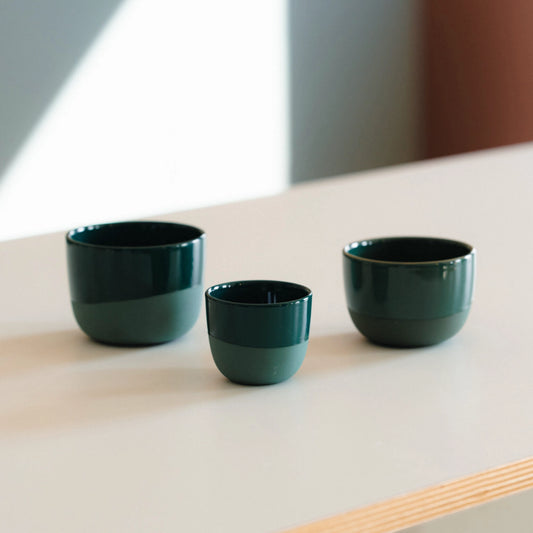

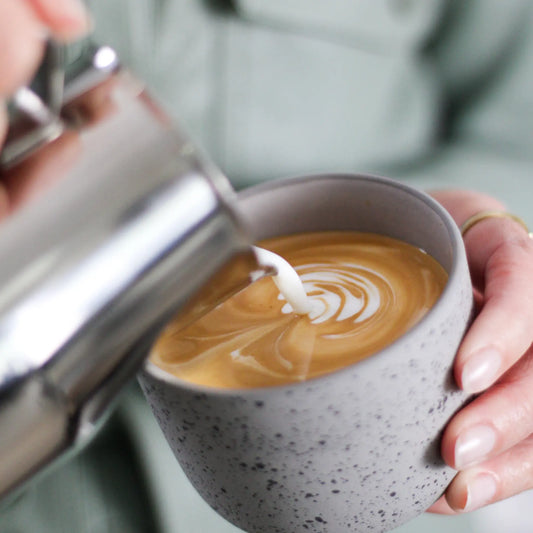

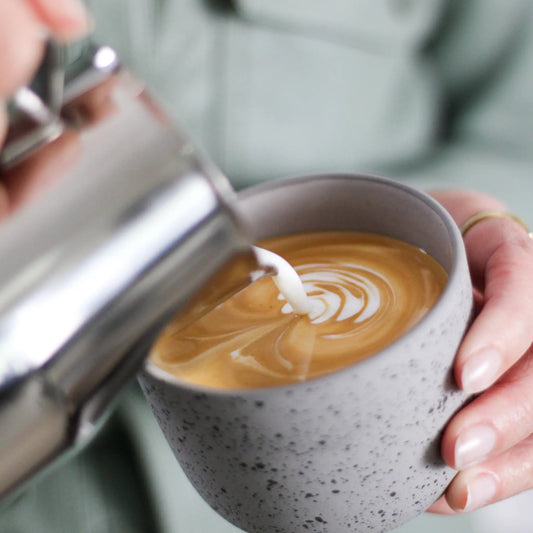

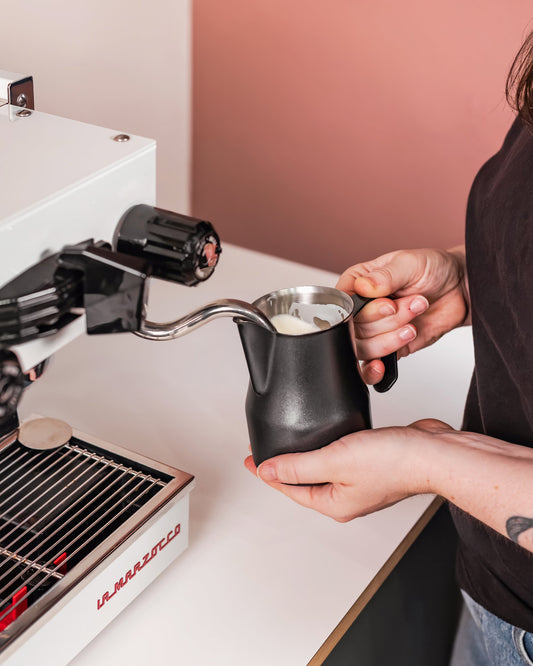


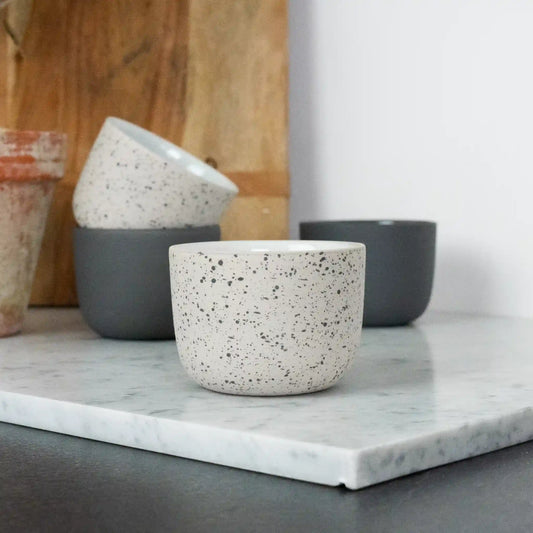

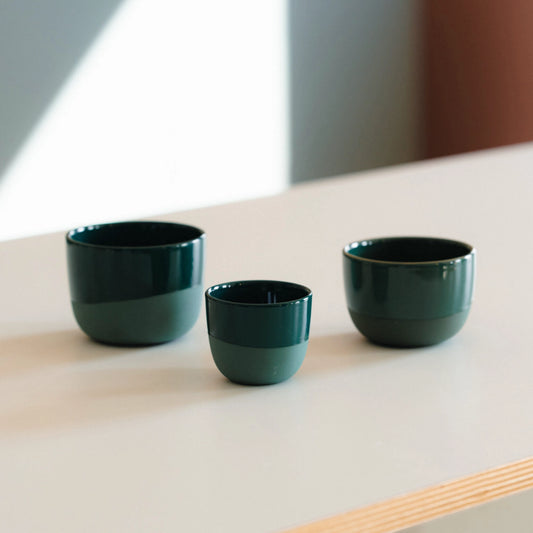

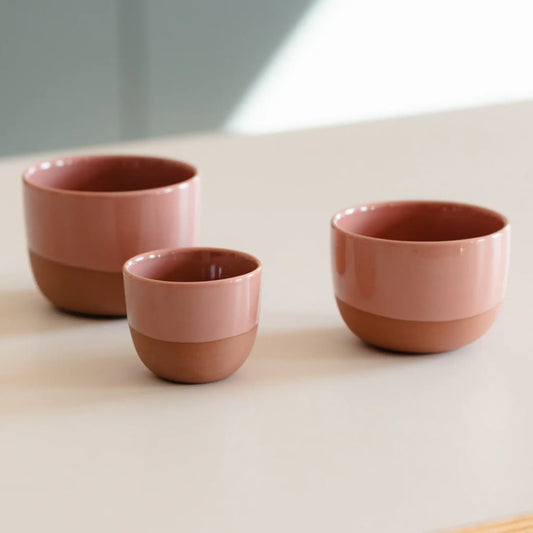

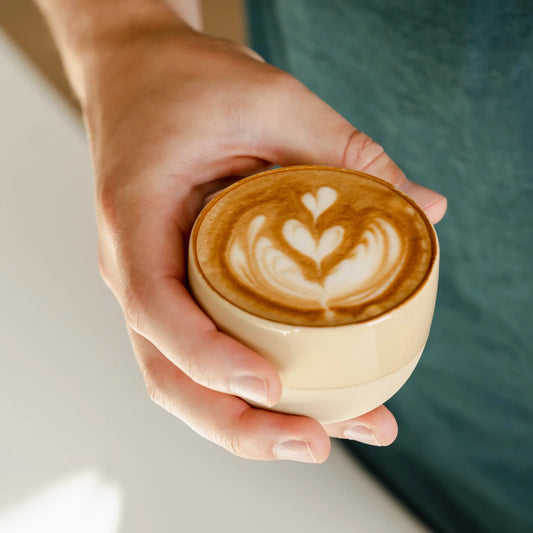


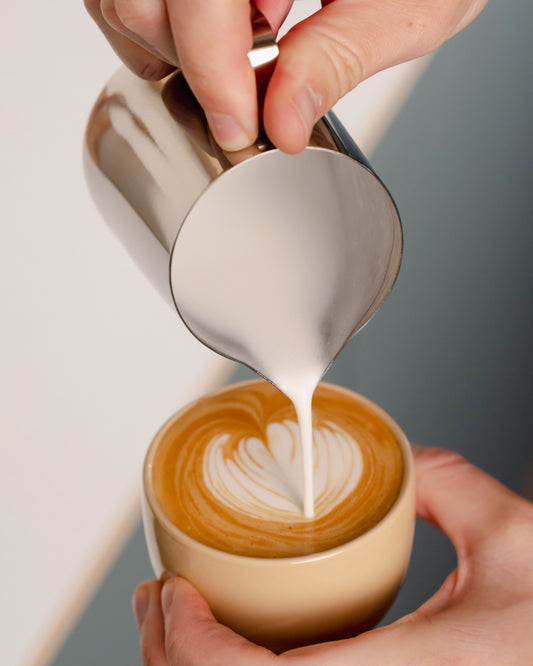

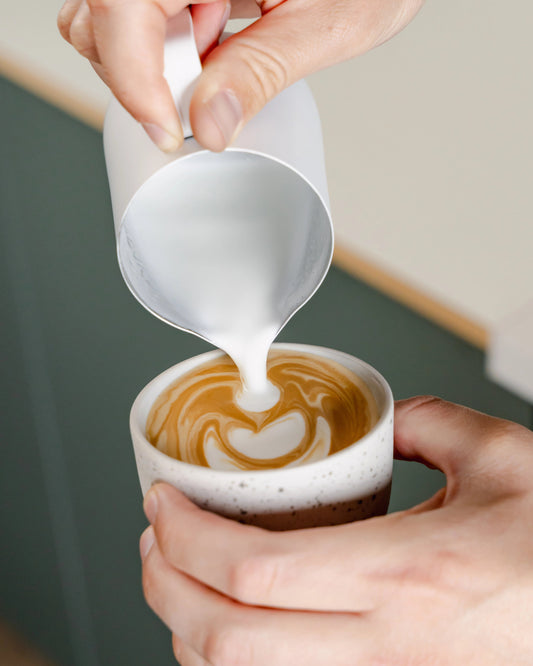


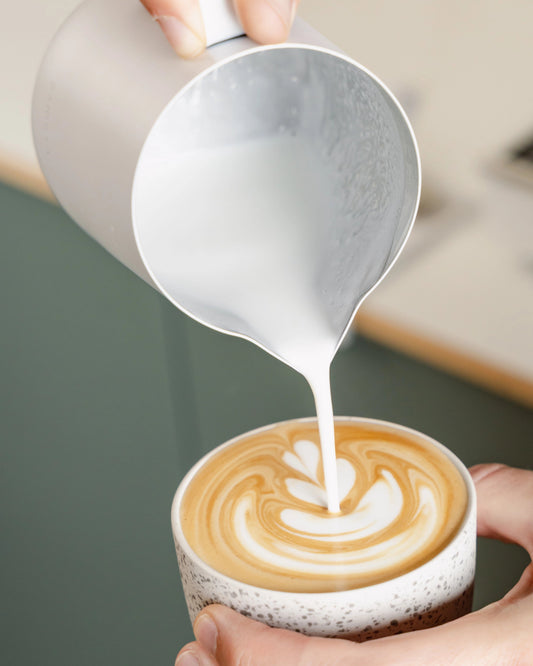


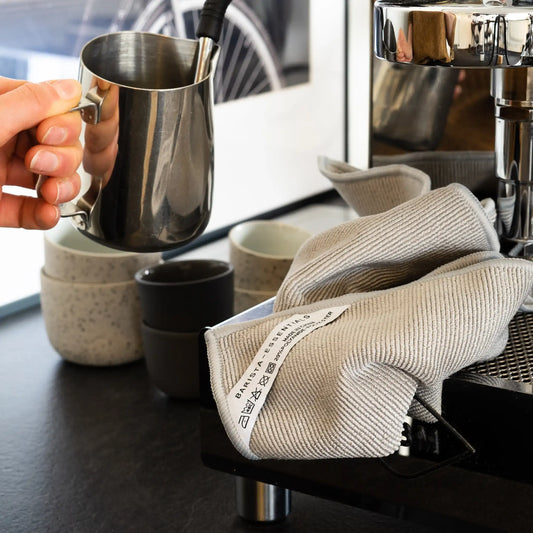

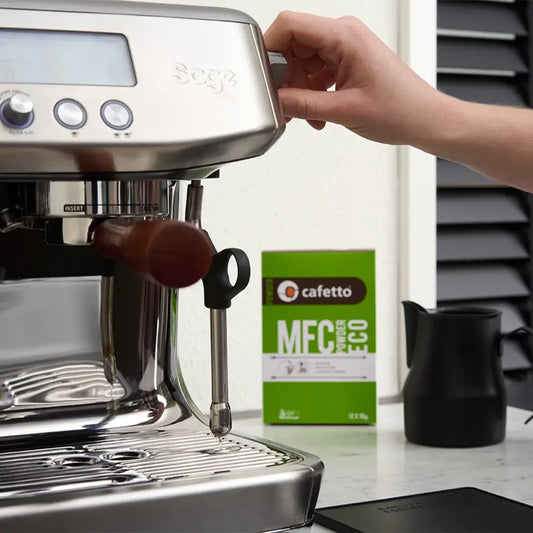

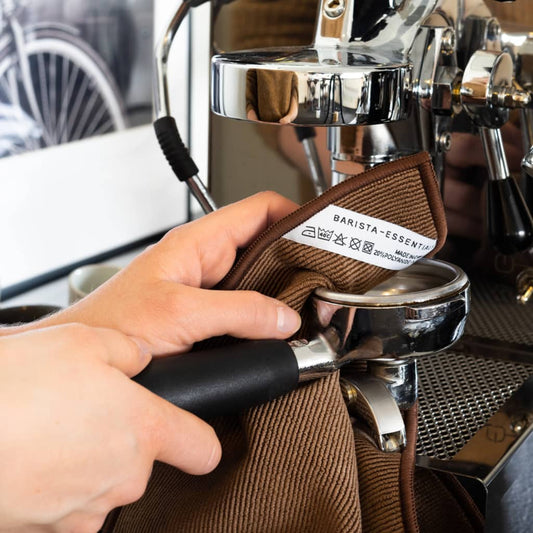

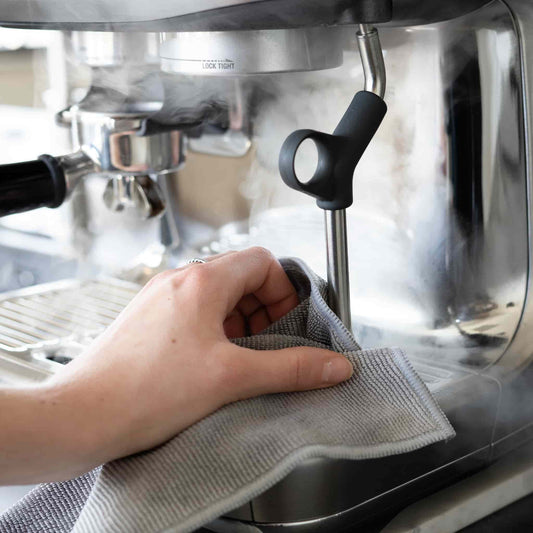


Choose your practice material from milk portion and drink
Others also view
-

Choose a stainless steel milk jug: 350, 500 or 750 ml
Choose your milk jug based on the amount you want to froth:...
-

Ceramic coffee cups: choose 60, 180 or 250 ml
Which cup is right for your daily coffee? My advice: choose 60...
-

Cleaning an espresso machine: choose the right product
What do you want to clean: coffee oils, milk residue, limescale, or...


Collection: Latte Art for Beginners: Choose a Pitcher, Cup and Cleaning Tools
Which milk pitcher and cup will help you get started with latte art? My advice: choose based on your milk portion and a shape that pours comfortably. Start with a 350 ml pitcher for small portions; consider a larger one if you need more milk. Choose a 180 or 250 ml cup to suit your drink and keep a separate clean milk cloth. A new tool does not automatically create fine microfoam. See the practical guidance and dimensions below the products.
Advice from Geert-Jan de Baristaman — Specialty Coffee Trainer & Barista Coach (10+ years of experience).
